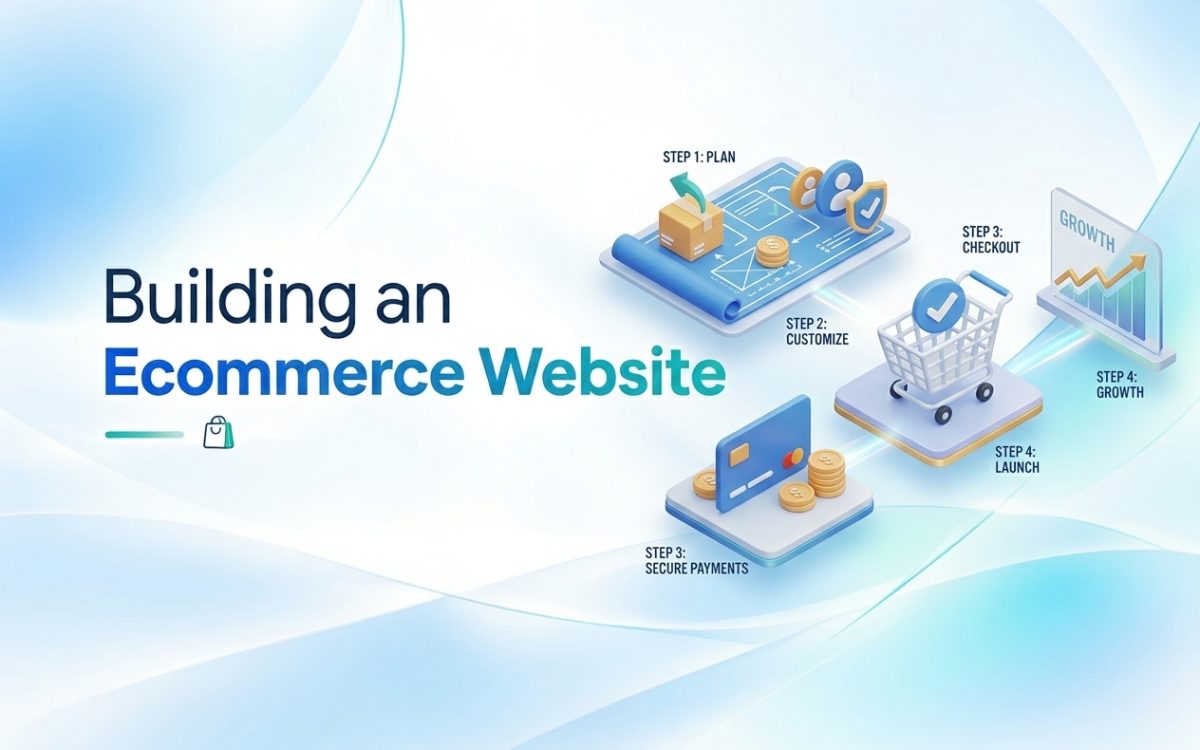
To build an ecommerce websites that sells in Egypt, you need five things working together: a platform that suits your catalogue and budget, payment options Egyptians actually use (including cash on delivery, cards, mobile wallets and instalments), a reliable shipping and returns setup, a mobile-first store in Arabic and English, and search optimisation that brings in buyers without paying for every visit. Most failed online stores get the website right and one of the other four wrong.
This guide covers each piece in the order you should tackle it, with the local details that generic ecommerce guides leave out.
Before you build: the business basics
Payment gateways, couriers and marketplaces will ask for documents before they work with you, so sort these out early:
- Legal entity and commercial registration for the business that will sell.
- Tax registration, and advice from your accountant on invoicing and e-receipt obligations for online sales.
- A business bank account to receive settlements from your payment provider.
- Clear policies for delivery, returns, refunds and privacy. Egypt’s consumer protection law gives buyers rights on returns, and its personal data protection law affects how you collect and store customer data, so have these policies reviewed by a lawyer.
Step 1: Choose the right ecommerce websites platform
There are three main routes, each with trade-offs:
- Hosted platforms (such as Shopify, or regional platforms built for Arab merchants): fastest to launch, hosting and security handled for you, monthly fees and transaction costs. Check that the platform supports Arabic RTL storefronts and integrates with Egyptian payment gateways and couriers before you commit.
- WooCommerce on WordPress: flexible, strong for content and SEO, a large plugin ecosystem, and you own the setup. It needs reliable hosting and someone to maintain updates and security.
- A custom build: right for large catalogues, complex pricing, marketplace models or deep integrations with ERP and warehouse systems. Higher cost and longer timeline, so make sure the business case is clear.
Whichever you choose, the general website development process still applies: brief, sitemap, design, build, content, testing and launch.
Step 2: Offer the payment methods Egyptians use
Payment choice has a direct effect on conversion. Egyptian shoppers use a wider mix of methods than many international guides assume:
- Cash on delivery (COD): still widely expected, especially for first purchases from a brand the customer does not know yet.
- Debit and credit cards: including Meeza, the national card scheme, alongside Visa and Mastercard.
- Mobile wallets: such as Vodafone Cash and other telecom and bank wallets.
- Cash payment at retail points: reference-code payment through networks like Fawry, useful for customers without cards.
- Buy now, pay later and instalments: consumer finance providers that let customers split larger purchases.
- Instant bank transfers: some stores accept InstaPay transfers, though they are harder to reconcile automatically.
Most stores do not integrate each method separately. They use a payment gateway or aggregator (Paymob, Fawry, Kashier and Geidea are well-known examples) that bundles several methods in one integration. When comparing providers, look at the methods supported, transaction fees, settlement times, refund handling, plugin quality for your platform, and onboarding requirements.
How to reduce cash-on-delivery risk
COD brings in customers who would not pay upfront, but refused deliveries cost you shipping both ways. Common ways to manage it:
- Confirm every COD order by WhatsApp or phone before dispatch.
- Validate phone numbers and addresses at checkout.
- Offer a small discount or free shipping for prepaid orders.
- Require a deposit for high-value items or custom orders.
- Track refusal rates by area and customer, and adjust your rules.
Step 3: Set up shipping, delivery and returns
Shipping is where many Egyptian online stores win or lose repeat customers. Options include local last-mile couriers built for ecommerce websites (Bosta, Mylerz and J&T Express are examples), international carriers such as Aramex, and your own delivery team in a single city.
When choosing a courier, compare:
- Coverage across governorates, and delivery times outside Greater Cairo and Alexandria.
- COD collection and how quickly they transfer the cash to you.
- Integration with your platform for automatic shipment creation and tracking.
- Returns handling and the cost of failed deliveries.
- Customer communication: tracking links and delivery notifications by SMS or WhatsApp.
Show delivery fees and estimated delivery times before checkout, not at the last step. Unexpected costs are one of the most common reasons shoppers abandon a cart.
Step 4: Design a store Egyptian shoppers trust
Good ecommerce websites UX here comes down to a few principles:
- Mobile first. Design and test every page on a mid-range Android phone first.
- Arabic done properly. Native copy, a proper RTL layout and readable Arabic fonts, with English for audiences that prefer it.
- Prices that are clear. Show prices in EGP, say what is included, and show delivery costs early.
- Trust signals. Real reviews, a physical address, a phone number, a WhatsApp button, and easy-to-find return and delivery policies.
- A short checkout. Guest checkout, address fields that match how Egyptians describe locations, and saved details for returning customers.
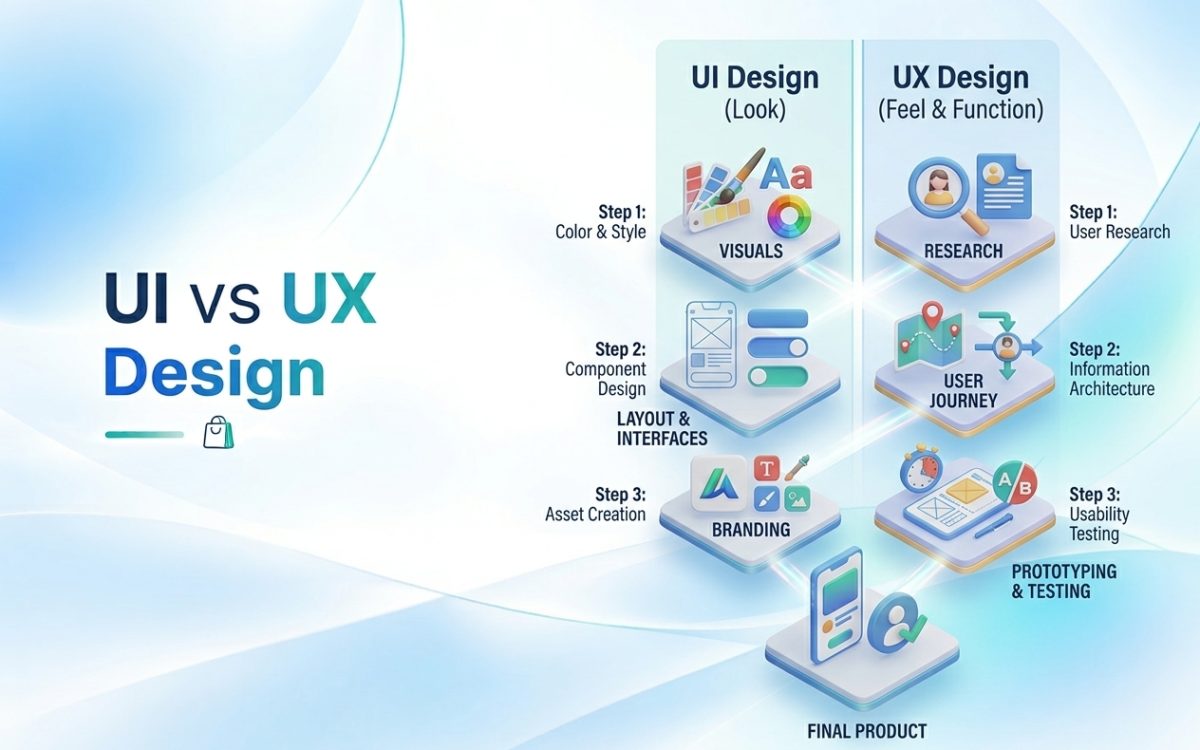
For more on the difference between how a store looks and how it works, see UI vs UX design.
Step 5: ecommerce websites SEO that brings buyers
SEO is the channel that keeps working when ad costs rise. For an online store, focus on:
- Category pages as your main ranking assets. People search for “women’s sneakers” or “office chairs Egypt” more often than for a single product. Give each category a short, useful introduction and clear filters.
- Unique product descriptions. Copying the manufacturer’s text gives Google no reason to rank you over the hundred other stores using it. Write descriptions that answer real questions: sizing, materials, use cases, delivery.
- Arabic and English versions. Many Egyptians search in Arabic, some in English, and some in Arabic written with Latin letters. Separate language versions with hreflang tags help each rank.
- Controlled filter URLs. Filters for colour, size and price can create thousands of near-duplicate URLs. Decide which filter combinations deserve indexable pages and keep the rest out of the index with canonical tags or noindex.
- Out-of-stock handling. Keep pages for temporarily unavailable products live, mark them as out of stock, and suggest alternatives. Redirect permanently discontinued products to the closest relevant category or product.
- Structured data. Product, offer, price, availability and review markup help search engines understand your listings.
- Compress images, limit apps and plugins, and test Core Web Vitals on mobile.
- Helpful content. Buying guides and comparison articles capture shoppers earlier in their research and link them to the right categories.
Step 6: Market the store after launch
A new store has no traffic on day one. A realistic launch mix includes paid social on Meta and TikTok for reach, Google Ads (including Shopping and Performance Max where available) for high-intent searches, creator partnerships for trust, and email and WhatsApp flows to bring buyers back. Our digital marketing guide for Egypt and the Gulf explains how these channels fit together.
Ecommerce websites launch checklist
- Test orders placed and refunded with every payment method.
- COD confirmation process ready and staffed.
- Courier integration tested, including returns.
- Delivery fees and times shown before checkout.
- Policies published and linked in the footer and checkout.
- Analytics, purchase tracking and ad pixels verified.
- Google Search Console set up and sitemap submitted.
- Product images compressed and pages tested on mobile.
- Customer service channels (WhatsApp, phone, email) staffed with clear response times.
For inspiration on what polished online experiences look like, see our list of website designs worth studying.
Planning an online store for Egypt or the Gulf? Content Khana’s web design and development team builds bilingual ecommerce websites with payments, shipping integrations and SEO set up from day one, and our marketing team can launch the campaigns behind it. Book a free consultation.
Frequently asked questions about ecommerce websites in Egypt
What is the best platform for an ecommerce websites in Egypt?
It depends on your catalogue, budget and team. Hosted platforms are fastest to launch, WooCommerce offers flexibility and strong SEO, and custom builds suit large or complex operations. Check Arabic support and local payment and courier integrations before choosing.
Which payment methods should an Egyptian online store offer?
At minimum, cash on delivery and card payments. Most stores also benefit from mobile wallets, retail cash payment codes and instalment options, usually through a single payment gateway.
How do I reduce returns and refused cash-on-delivery orders?
Confirm orders by WhatsApp or phone, validate addresses, describe products accurately with real photos and sizing details, encourage prepaid orders with incentives, and track refusal rates to adjust your policies.
Do I need a commercial register to sell online in Egypt?
Payment gateways and many couriers require business documents to onboard you, and formal registration protects you legally. Ask a lawyer or accountant about the exact requirements for your business type.
How long does it take to build an ecommerce websites?
A store on a hosted platform with a modest catalogue can launch in a few weeks. A custom-designed or integrated store usually takes several months, depending on content, integrations and approvals.
Conclusion
An ecommerce websites in Egypt succeeds when the whole system works: the platform, the payment mix, the delivery experience, the mobile store and the search visibility. Get the local details right (cash on delivery, wallets, governorate coverage, Arabic content) and you remove the friction that sends Egyptian shoppers back to marketplaces and social media sellers.
Ready to build a store that sells? Book a meeting with Content Khana or message us on WhatsApp.